
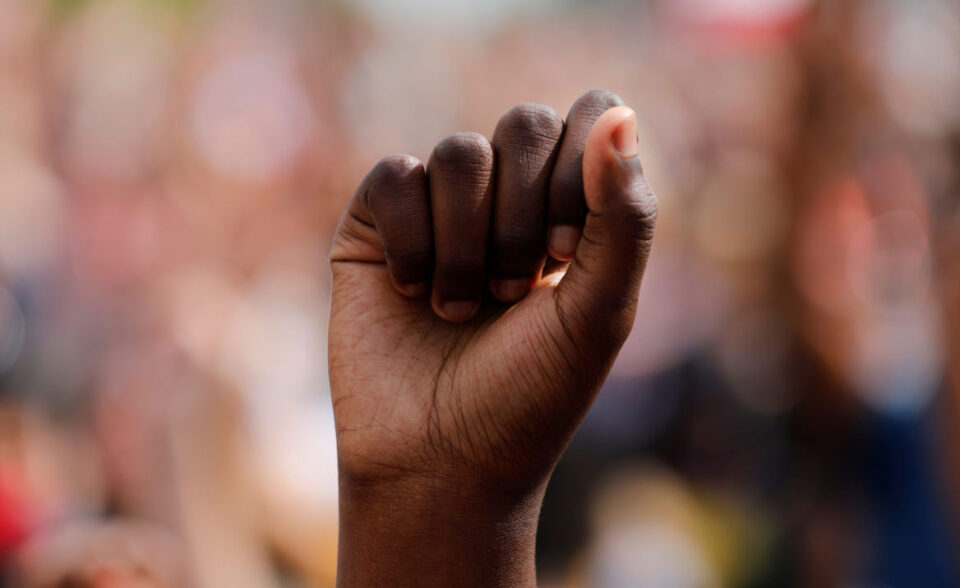
The vulnerability experienced by Black and Brown individuals in America is woven into a complex tapestry of historical, social, and economic forces that have shaped their realities for centuries. From the earliest days of colonization and slavery, discriminatory policies and practices laid the groundwork for systemic inequities that persist to this day. The legacy of these injustices is evident in laws and policies that once overtly excluded Black and Brown people from basic rights, as well as in the subtle yet deeply entrenched barriers that continue to limit access to education, healthcare, and employment. For example, redlining and enforced segregation did more than dictate where families could reside—they systematically denied entire communities access to quality public services, safe neighborhoods, and avenues for generational wealth creation. These historical wounds have left indelible marks, reflected in ongoing disparities in homeownership, academic achievement, and economic mobility.
The ripple effect of structural inequality extends far beyond economics. Black and Brown individuals routinely face heightened scrutiny, disproportionate policing, and elevated rates of incarceration. These realities are not merely statistical—they represent daily disruptions to families, the fracturing of communities, and the perpetuation of cycles that are difficult to escape. Interactions with law enforcement often carry the weight of implicit bias, which can shape everything from routine traffic stops to courtroom proceedings. Similarly, implicit and explicit biases are embedded in hiring decisions, school disciplinary actions, medical treatment, and everyday social exchanges, compounding the sense of marginalization and eroding trust in institutions meant to serve everyone.
Yet amid these formidable challenges, Black and Brown communities have cultivated remarkable resilience and strength. The formation of tight-knit support networks—where neighbors share resources, offer guidance, and advocate for one another—has been a lifeline for many families facing adversity. Community organizations, faith-based institutions, and grassroots activists have consistently led the charge for social justice, working tirelessly to challenge discriminatory practices and introduce reforms. Their efforts have created spaces for healing, empowerment, and meaningful progress, as demonstrated by advances in civil rights, increased political representation, and a growing presence in business, arts, and academia.
It is essential to understand that these communities are not solely defined by the obstacles they face, but also by their ingenuity, solidarity, and determination to flourish. By examining the historical context and recognizing the ongoing impact of systemic inequality, society can begin to unravel entrenched patterns and move toward genuine transformation. True progress requires more than acknowledgment—it calls for a sustained commitment to dismantling barriers, fostering equitable opportunities, and promoting a culture of inclusion. Through continued advocacy, education, and collective action, the path toward an America where everyone can thrive becomes clearer. The journey is ongoing, but each step forward strengthens the hope for a more just and equitable future.
Roger Johnson – Account Manager
Daily Drum- NNPA-NCBPA
804-916-0974
