
By Kylie Marsh
Kylie.marsh@triangletribune.com
RALEIGH – High school is full of challenges: trying to manage a social life, figure out who you are and juggle academics with extracurriculars.
North Carolina law requires that students complete a Career Development Plan starting from sixth grade. That adds increased pressure on teens thinking about the future.
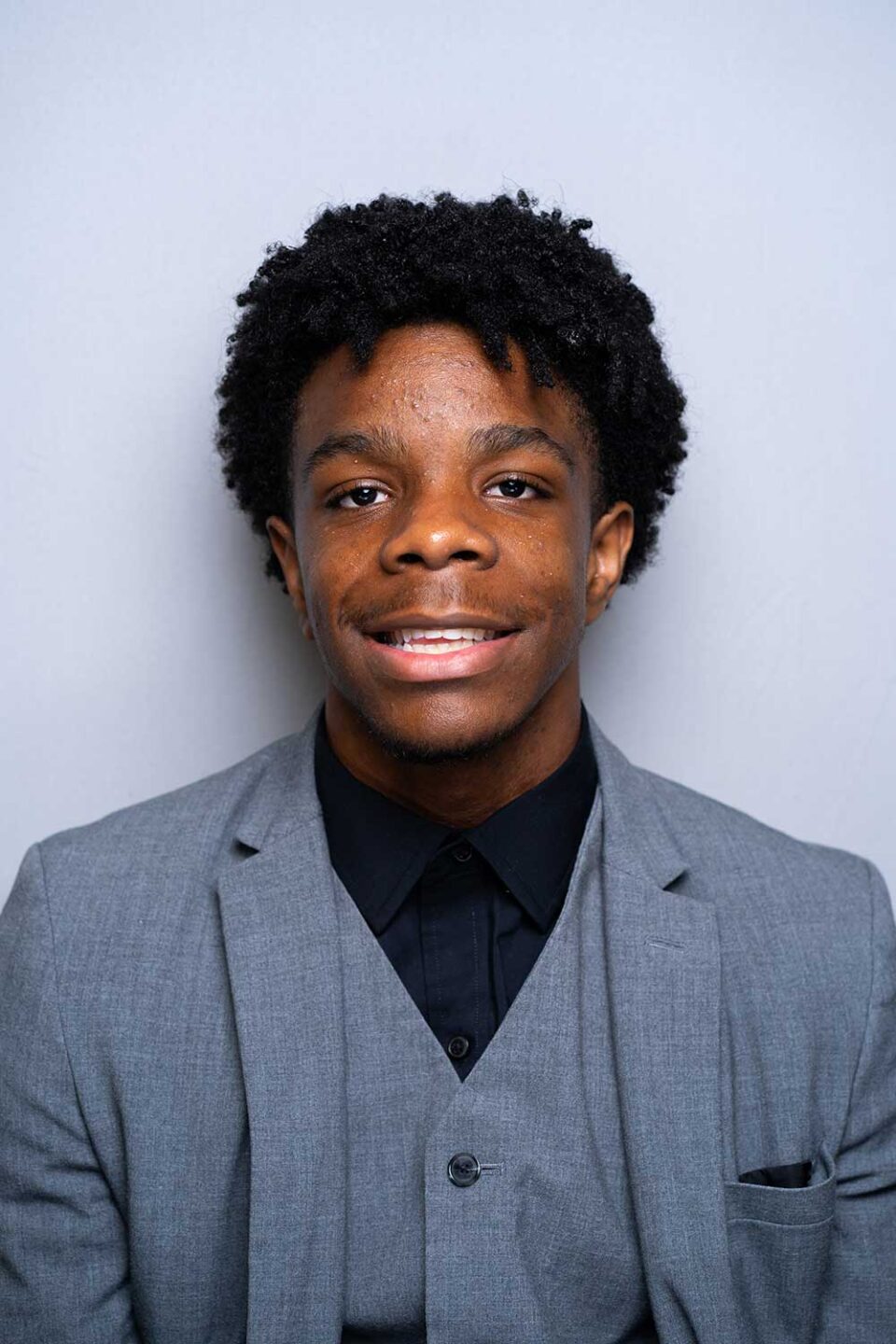
Leesville Road High School junior Anthony Marshall-Gamble was proactive.
“As I started getting to high school-age, started realizing I’m like, ’yo, where do y’all want to go to school at?’ I’m like, ‘huh, I need a plan for that,’” he told The Tribune.
Marshall-Gamble researched colleges, possible careers and got a better idea of targets he needs to hit to achieve these goals. Other students, he said, didn’t know where to begin.
“I know people didn’t know what they were doing college-wise, especially as I got to ninth-sophomore year,” he said. “I wanted students to know what they have to do to get to their dream college. So many people want to go Ivies but don’t know how to.”
School counselors, in addition to providing mental health counseling, assist students in college and career planning. The American School Counselor Association recommends a ratio of one counselor to 250 students. North Carolina’s ratio for the 2024-25 school year was 360 students to one counselor. Marshall-Gamble said this won’t cut it.
“All the public schools, the counselors are just overwhelmed,” he said. “There’s 50 on average to one student, and I think when you divide your time by that so much, you’re not going to give quality to everybody.”
Marshall-Gamble created Edufy, an online platform complete with an artificial intelligence mascot, AJ, to fill in the counseling gap. Edufy evaluates both weighted and unweighted grade point averages, extracurriculars, ACT and SAT scores, honors courses, and even the type of school (private, public, charter) and region to develop a “roadmap” for students in their pursuit of college admission. Beyond that, it also evaluates users’ intended majors and career goals.
Marshall-Gamble said other platforms, like College Vine and the Common App, aren’t tailored to individual students. “A lot of it is academic, but another part of it is mental,” he said. Edufy is equipped with a built-in “calm” space, which encourages users to take a break to do some mindful breathing.
Edufy is built with six different “agents,” or bits of code that crawl the internet for information from a range of different sources. “What I’m training them on is real verifiable data. I want to make sure that I’m not going to give anybody a dream that’s not there,” he said. That data comes only from sources with .com, .org and .edu domains, or published from colleges and government agencies.
Edufy has 77 students using it, and, overall, the feedback has been positive. In the future, Marshall-Gamble said its success could be measured by tracking users’ colleges admissions.
Edufy doesn’t store location data, individual health or biological data. It does, however, track GPAs, test scores and conversations with AJ, the AI coach.
Marshall-Gamble said that he seeks to “change education itself” beyond developing the platform.
“North Carolina is ranked pretty low in education, despite producing some of the best students with some of the highest average GPAs. I think the reason is, and historically has been, our lack of funding towards education,” he said. The state can also “do a way better job at supporting the youth.
“A lot of people complain about recent trend of like the ‘teen takeovers,’ but it’s really a bunch of smart kids that are bored. I think it’s because when you don’t fund certain things like areas to put that kind of boredom in, they’re obviously going to find another outlet.”
