
By Rasheed Johnson
The recent Supreme Court Decision is following the game plan of Project 2025, sustaining any, and all means necessary, to keep America White controlled. To say there will be more Black Republicans is a joke. That’s not in the playbook.
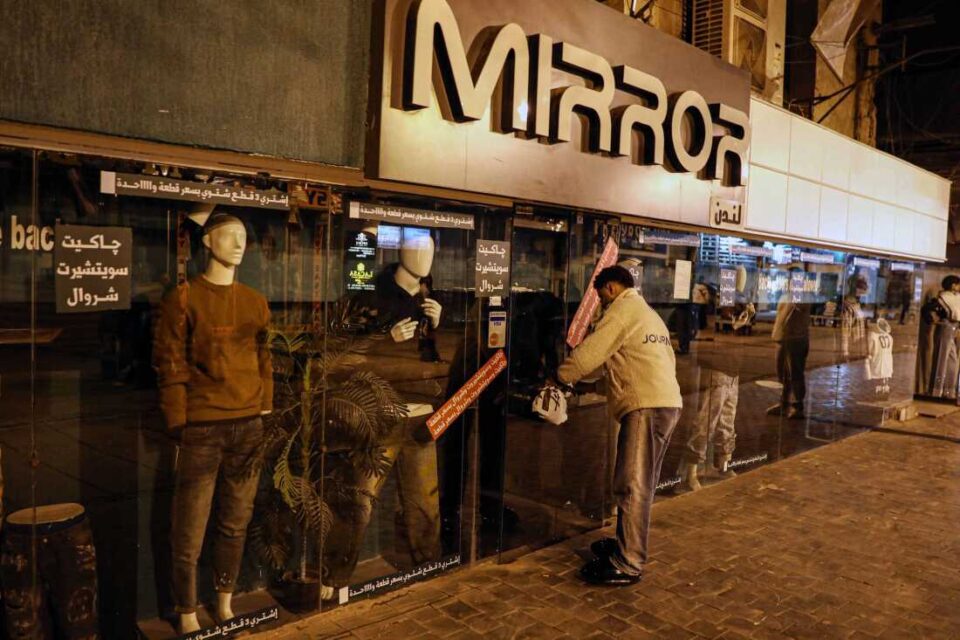
The war’s impact on Iran has been profound, reshaping the nation’s social, economic, and political landscape in numerous ways. To begin with, the conflict has placed immense strain on Iran’s economy, disrupting trade routes, leading to inflation, and causing widespread shortages of essential goods. Businesses have struggled to operate amid uncertainty, and the cost of living has risen sharply for ordinary citizens.
Beyond economic repercussions, the war has deeply affected Iranian society. Families have been torn apart, with many individuals displaced from their homes. The psychological toll has been substantial, as communities grapple with loss, instability, and the constant threat of violence. In response, grassroots organizations and local leaders have stepped up to provide support, but resources remain stretched thin.
Politically, the war has altered Iran’s position on the global stage, prompting shifts in alliances and diplomatic strategies. The government has faced increasing pressure both internally and externally, as citizens demand accountability and international actors react to the unfolding crisis. These shifts have sparked debates about national security, governance, and the future direction of the country.
In summary, the war’s effects on Iran are far-reaching, touching every aspect of daily life. From economic hardship and social upheaval to political realignment, the consequences continue to unfold, leaving a lasting imprint on the nation and its people.
