
Roger Johnson,
Daily Drum
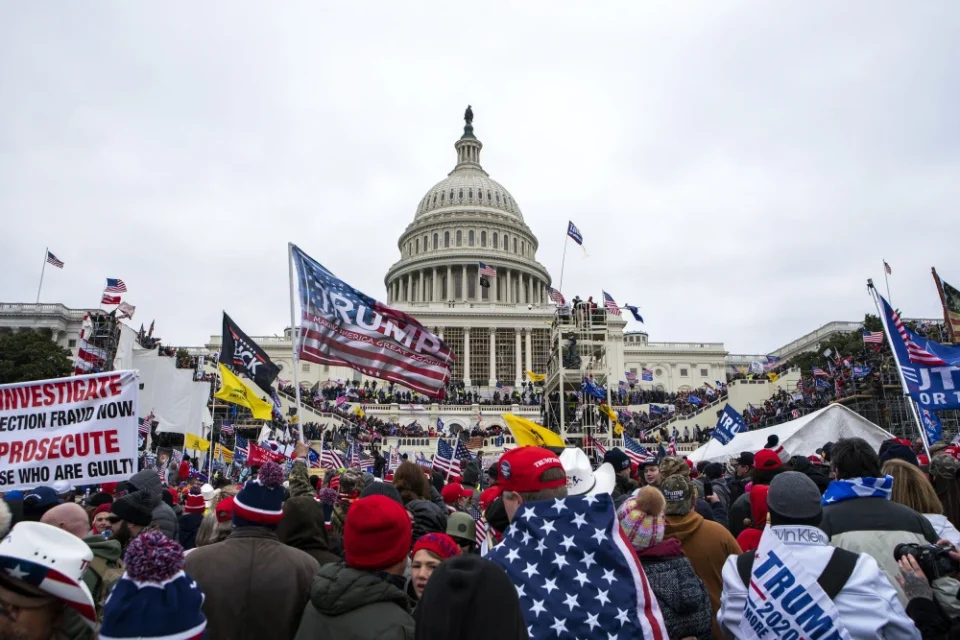
A newly announced Justice Department fund worth $1.776 billion has ignited a national debate because administration officials have not ruled out the possibility that some people charged or convicted in connection with the Jan. 6, 2021, Capitol attack could apply for compensation. The fund, called the Anti-Weaponization Fund, was created as part of a settlement tied to President Donald Trump’s lawsuit against the Internal Revenue Service over leaked tax records. According to the Justice Department, the fund is meant to provide a process for people who claim they were harmed by government “weaponization” or“lawfare” to seek relief.
What the Fund Is
The Justice Department said the fund will receive $1.776 billion from the federal judgment fund, a standing source of money used to pay certain settlements and judgments. In its public announcement, the department said the fund can provide both formal apologies and monetary relief, and that claims may be submitted voluntarily by people who believe they were wrongly targeted by the government. Officials also said any money left over when the program ends would return to the federal government, and that the fund is scheduled to stop processing claims by December 1, 2028.
Why It Is Controversial
The controversy centers on eligibility and oversight. During public questioning, Acting Attorney General Todd Blanche said that “anybody” could apply and indicated that a commission would set the rules for who ultimately receives compensation. Vice President J.D. Vance also declined to categorically rule out claims from Jan. 6 defendants, saying applications would be evaluated individually. Those remarks fueled criticism from opponents who argue that taxpayer money could end up going to people involved in the Capitol riot, including individuals convicted of assaulting police officers.
What Remains Unclear
At this stage, many of the most important details are still unsettled. The administration has described the fund in broad terms, but it has not yet publicly released a full list of eligibility standards, a list of approved recipients, or clear limits on whether Jan. 6-related claims would be excluded. That uncertainty is what makes the story so politically explosive: the fund is presented by supporters as compensation for improper government actions, while critics see it as a mechanism that could reward political allies and rewrite the public meaning of Jan. 6. Until the commission’s rules are made public and actual payouts are disclosed, the debate is likely to continue.
