
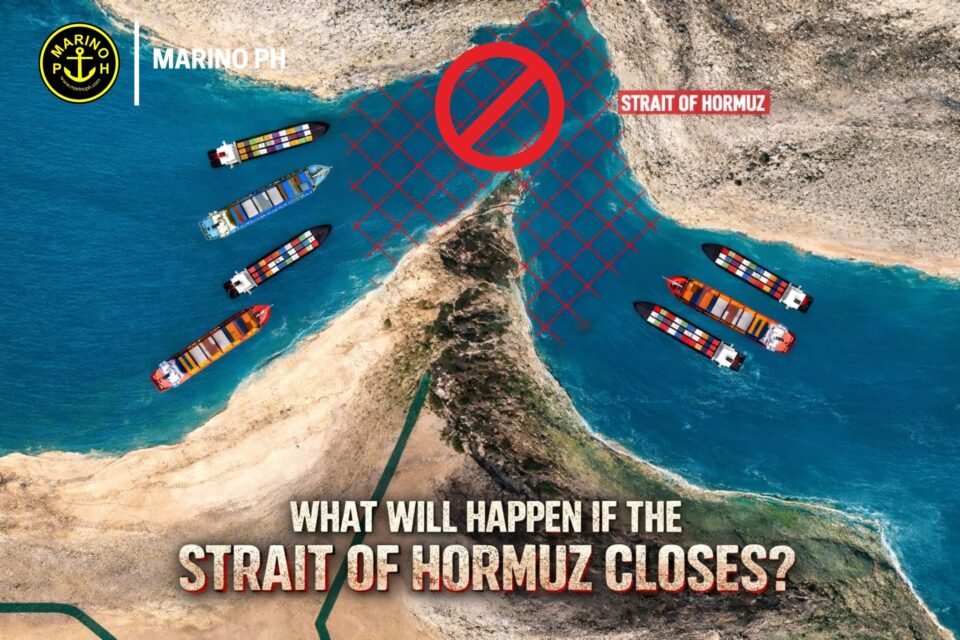
The Strait of Hormuz, a narrow waterway linking the Persian Gulf to the Arabian Sea, stands as one of the world’s most crucial maritime choke points. Nearly a third of global seaborne oil shipments pass through its waters, so any closure would send shockwaves through international trade, energy security, and geopolitical stability, with consequences that extend far beyond the immediate disruption.
Initially, the closure would trigger a dramatic surge in global energy prices as supply chains are abruptly interrupted. Both Gulf region producers and consumers around the world would feel the effects, with countries heavily dependent on oil imports, particularly in Asia and Europe, urgently seeking alternative sources. This scramble could reshape global trade routes, ignite inflation across multiple sectors, and lead to unpredictable shifts in economic alliances.
The escalation would not stop at economic turmoil. Regional tensions could intensify, as neighboring nations vie for access and control over vital resources. Major powers invested in energy security—such as the United States, China, and the European Union—might increase their naval presence, heightening the risk of misunderstandings and unintended confrontations. This militarization of the region could further destabilize an already volatile area and complicate efforts to restore peace.
The ripple effects would spread to industries beyond energy. Shipping companies would be forced to take longer routes, resulting in higher insurance premiums and increased transportation costs for a wide variety of goods, from consumer electronics to food staples. Already fragile global supply chains would be stretched further, leading to shortages, delays, and higher prices for everyday items.
Looking further ahead, the long-term impact of a prolonged closure would be equally significant. Persistent energy shortages could drive nations to accelerate investment in alternative energy sources, potentially reshaping the global energy landscape. New infrastructure projects, such as pipelines and ports, might emerge to circumvent the bottleneck, altering trade dynamics for decades. Meanwhile, diplomatic relations among countries in the region and beyond could be strained, with alliances shifting as governments seek to safeguard their interests.
In summary, the closure of the Strait of Hormuz would not only disrupt energy markets and threaten global economic stability, but also intensify regional and international security concerns with lasting
repercussions. The interconnected nature of today’s world highlights the critical importance of keeping such maritime passages open and secure, underscoring the need for ongoing diplomatic engagement, robust contingency planning, and long-term strategies to mitigate future risks.
