
Roger Johnson, The Daily Drum
For generations, the story of America has been told as one of freedom, democracy, and opportunity. Yet woven into that history is another story—one of racial terror, injustice, and violence that claimed thousands of Black lives. Lynching was not merely a series of isolated murders. It was a deliberate system of intimidation designed to enforce white supremacy, suppress Black progress, and deny African Americans the full rights promised under the Constitution.
From the end of the Civil War through the middle of the twentieth century, thousands of Black men, women, and even children were lynched across the United States. These killings often occurred without evidence of a crime, without due process, and without punishment for the perpetrators. Entire communities were terrorized while local authorities frequently ignored or even participated in the violence.
Following Reconstruction, African Americans began exercising newly won freedoms by voting, acquiring land, opening businesses, and seeking education. These advances were met with fierce resistance. Lynching became one of the most powerful weapons used to dismantle Black political and economic gains.
Many victims were falsely accused of crimes, particularly allegations involving white women. Others were targeted simply because they were successful business owners, attempted to vote, challenged racial discrimination, or violated the rigid racial customs of the era. In countless cases, no accusation was necessary. Being Black and perceived as “out of place” could be enough to become a victim.
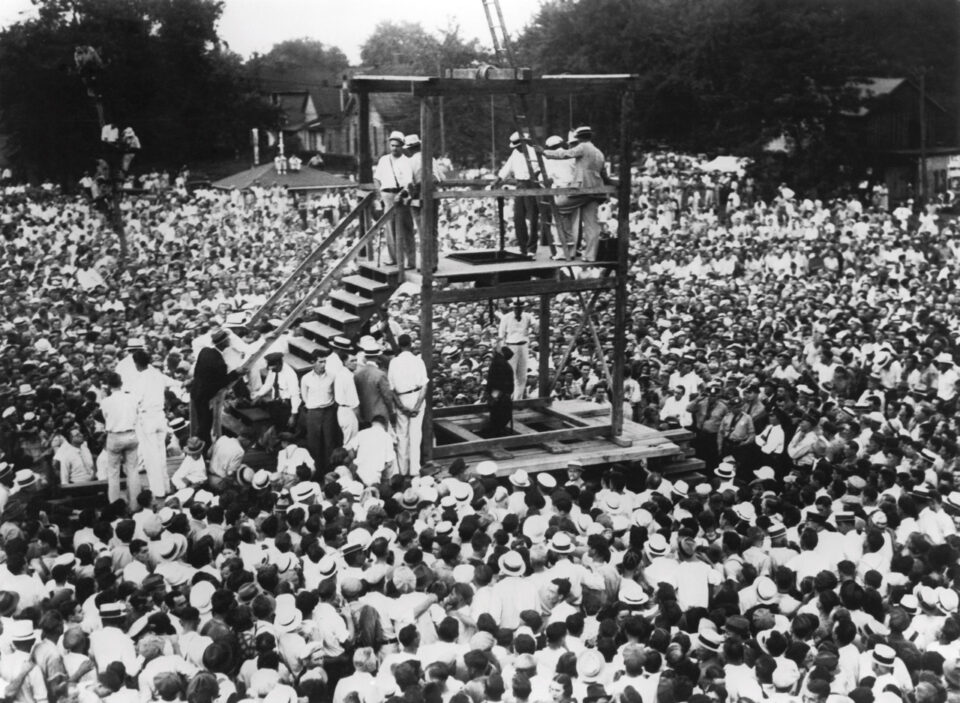
Lynchings were often public spectacles. Crowds gathered to witness brutal killings, and photographs were turned into postcards and souvenirs. Families attended these events, illustrating how racial violence became normalized within many communities. The purpose extended beyond killing an individual—it was to send a message to every Black person that challenging the racial hierarchy could result in death.
Journalists and activists fought tirelessly to expose these atrocities. Among the most influential was Ida B. Wells, whose fearless investigations revealed that many allegations used to justify lynchings were fabricated. Despite receiving death threats and being forced to leave her home, Wells documented the truth and demanded federal intervention.
Organizations such as the National Association for the Advancement of Colored People (NAACP) campaigned for decades to secure federal anti-lynching legislation. Although hundreds of bills were introduced, political opposition prevented Congress from acting for generations. It was not until 2022 that the Emmett Till Antilynching Act made lynching a specific federal hate crime—more than a century after activists first demanded such protection.
The impact of lynching cannot be measured solely by the number of lives lost. It devastated families, forced thousands to flee the South during the Great Migration, destroyed economic opportunity, and created generational trauma that continues to influence communities today. Fear shaped where Black Americans lived, worked, worshipped, and exercised their constitutional rights.
The legacy of lynching also raises difficult questions about justice. Very few perpetrators were ever prosecuted. In many cases, local officials refused to investigate, juries declined to convict, and entire communities remained silent. This absence of accountability contributed to a profound distrust of legal institutions among many African Americans.
Today, museums, memorials, historians, and educators are working to ensure that this history is neither forgotten nor minimized. Honest conversations about racial terror are essential to understanding America’s past and confronting its ongoing consequences. Acknowledging these events is not about assigning guilt to future generations; it is about recognizing historical truths so that such injustices are never repeated.
The story of lynching is ultimately a story about the struggle between hatred and justice. It reminds us that democracy requires more than laws—it demands equal protection, accountability, and the courage to defend the dignity and humanity of every person.
Remembering the victims is an act of justice. Studying this history is an act of responsibility. Building a society where racial terror has no place is an obligation shared by every generation.
